beg the question
Other forms: begs the question; begging the question; begged the question
In rhetoric, to beg the question is to make an argument that assumes the truth of its conclusion, rather than proving it. When you say, "My dog's the best dog because he's the greatest," you beg the question.
Begging the question is also known as "circular reasoning," because in order for your argument to be true, the conclusion has to be true. In informal, everyday use, beg the question means "to raise a fairly obvious but still unanswered question." If your neighbor got hit by lightning on the roof of their house, it would beg the question: what were they doing on the roof in a thunderstorm? Though it's best avoided in formal contexts, this usage is the more common one.
-
assume that the argument one is trying to prove is true, without arguing for ittype of:assume, presume, take for grantedtake to be the case or to be true; accept without verification or proof
-
dodge, avoid answering, or take for granted
-
elicit or call to mind a question, especially one that has not yet been addressed
- MLA
- APA
- Chicago
Vocabulary lists containing beg the question
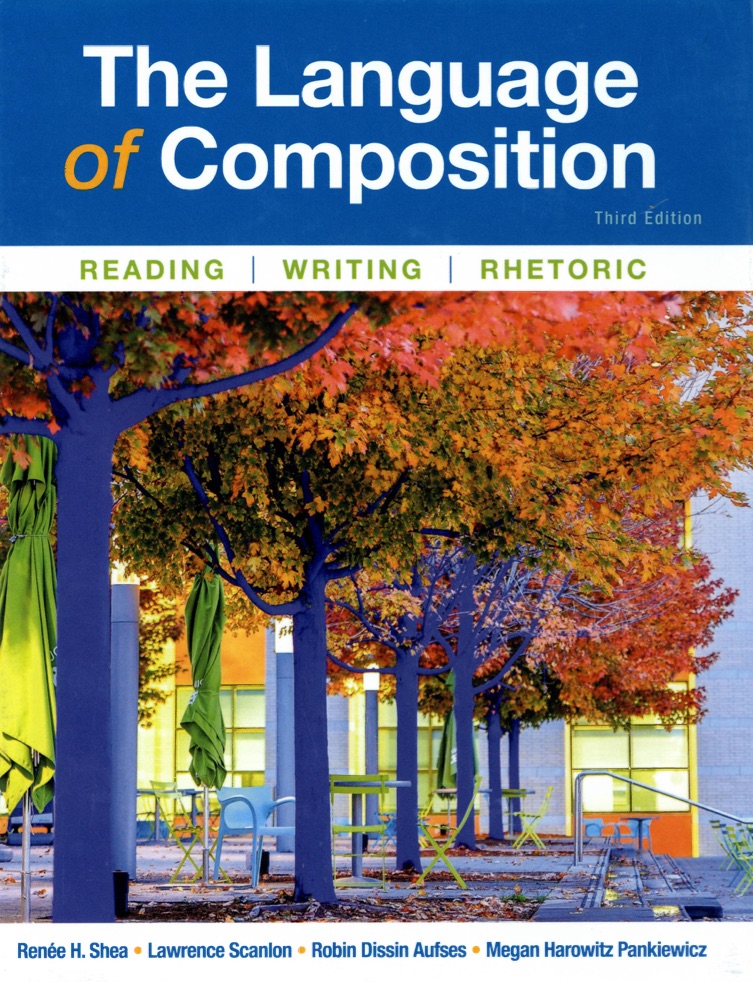

In this second book of the Supernatural Investigations series, thirteen-year-old Amari Peters of Atlanta's Whitman Preparatory Academy must compete for the Crown in order to save her brother, stop a war, and prevent the future of magic from being controlled by evil forces.
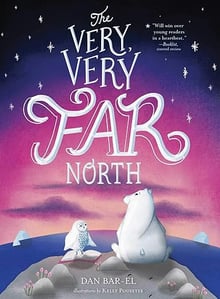
A friendly young polar bear named Duane moves to the Far North and meets several new friends, including an owl, a musk ox, and a puffin. Duane’s charming attitude of childlike wonder seems to turn every day into an adventure for him and his new friends.